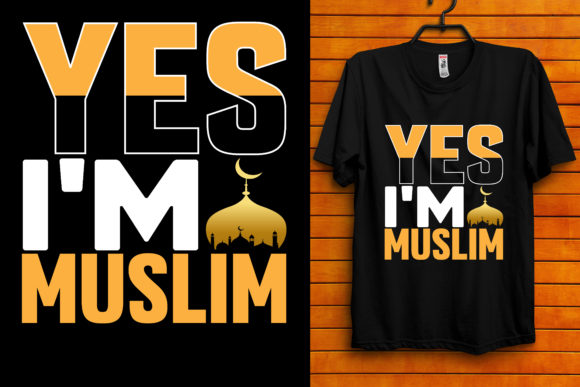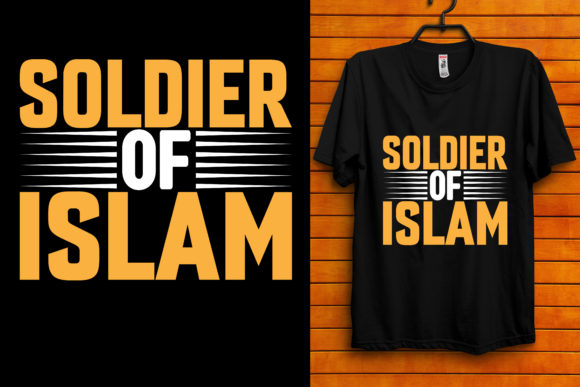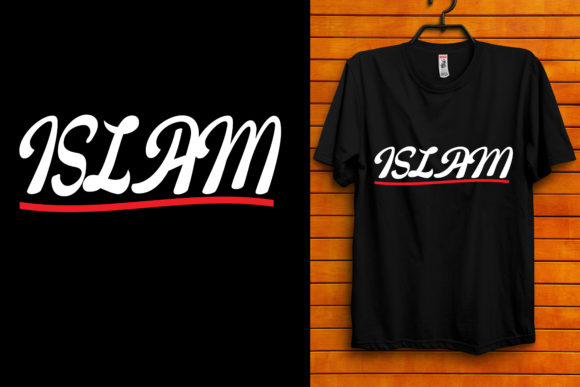
Islam Graphics for Crafts and Branding
As a brand designer, I often look for design assets that can elevate a small business’s visual identity without compromising on quality or versatility. The Islam graphic design asset caught my attention for its potential in local business branding, especially in the crafts and product packaging sectors. With 100 editable files in multiple formats—Ai, EPS, SVG, DXF, PNG, and high-resolution JPG—it offers a powerful toolkit for creative entrepreneurs looking to build a cohesive brand presence.
The First Impression of Islam
The first thing that stands out about Islam is its ability to evoke a sense of calm, reverence, and cultural depth. Depending on the style, it can feel elegant, modern, or even decorative. For a small business, this makes it a versatile choice, especially for brands that want to communicate values like authenticity, tradition, or mindfulness. It could work well for a handmade soap business, a boutique store selling artisanal products, or a coffee shop aiming to create a warm, inviting atmosphere.
When used thoughtfully, Islam can contribute to a brand personality that feels both professional and approachable. It’s not overly bold, but it has enough character to stand out in a crowded market. This makes it ideal for businesses that want to balance aesthetic appeal with functional design elements.
Real-World Applications for Local Businesses
In a real-world scenario, imagine a small bakery looking to update its packaging design. The Islam graphic could serve as a subtle accent on product labels, adding a touch of elegance without overpowering the overall design. It could also be used in social media graphics to reinforce the brand’s visual identity across digital platforms.
For a skincare brand, the same graphic might appear on a thank-you card or a printable insert inside a product box. Its high-resolution format ensures clarity, while the transparent background allows for seamless integration into various design contexts. Whether it's a seasonal campaign or a promotional banner, the flexibility of the file types makes it easy to adapt to different needs.
Another practical use is in product mockups. By incorporating Islam into a mockup, a designer can quickly visualize how the graphic will look on actual packaging, helping to make informed decisions before finalizing the design.
Supporting Business Presentation
One of the most valuable aspects of this graphic design asset is its ability to enhance a business’s presentation. A well-chosen graphic can strengthen the first impression a customer has of a brand, making it more memorable and trustworthy. It helps establish a stronger visual hierarchy, ensuring that key information like product names and pricing remains clear and prominent.
For small business branding, consistency is key. Using a single, high-quality graphic across multiple touchpoints—such as packaging, social media, and promotional materials—creates a unified brand identity that resonates with customers. This consistency builds trust and reinforces the brand’s message over time.
Additionally, the asset supports better shelf appeal. In a retail environment, a visually appealing package can catch a customer’s eye and encourage them to pick up the product. The Islam graphic adds a unique touch that sets the brand apart from competitors, especially in industries where aesthetics play a significant role in consumer decision-making.
Where Islam Works Best
This design asset shines in applications where visual storytelling is important. Product labels, for instance, benefit from the subtle yet meaningful presence of Islam, especially when paired with other design elements that reflect the brand’s values. It also works well as a hero graphic on a website banner or as a decorative element in a seasonal campaign.
For a boutique store or a handmade business, the graphic can be used in promotional visuals that highlight the craftsmanship behind the products. It’s also effective in social media campaigns, where eye-catching visuals are essential for engagement and brand awareness.
When used in conjunction with other design elements, such as typography or color schemes, the Islam graphic can help create a more polished and professional look. It’s particularly useful in editorial design and web design projects where visual appeal is a priority.
Where to Use Islam Carefully
While the Islam graphic is versatile, it may not be suitable for every design context. In formal corporate branding, for example, it might feel too decorative or unconventional. Similarly, in very small labels or crowded layouts, the graphic could become distracting rather than enhancing the overall design.
It’s also important to consider the placement of text. If the graphic competes with important information, such as legal details or ingredient lists, it could reduce readability. In low-contrast backgrounds, the graphic may not stand out as intended, so testing it in different scenarios is crucial.
For luxury minimalist brands, the graphic might feel too busy or ornate. In such cases, a simpler design might be more appropriate. Designers should always evaluate how the graphic interacts with other elements in the composition to ensure it serves the brand’s goals effectively.
Practical Designer Notes
Before finalizing any design, I recommend testing the Islam graphic on real packaging mockups. This helps visualize how it will look in physical form and ensures that it meets the desired aesthetic and functional requirements. Checking black and white usage is also important, as some designs may lose their impact when printed in monochrome.
Previewing the graphic on small labels and testing it with different brand colors can reveal how adaptable it is to various design needs. Comparing it with competitor packaging provides insight into how it stands out in the market. Ensuring print quality and reviewing PNG transparency are also essential steps in the design process.
For vector-based designs like SVG or Ai, inspecting the editability is key. These formats allow for greater flexibility, but only if the layers and elements are properly organized. Testing the graphic beside different font styles—serif, sans serif, script, handwritten, or display fonts—can help determine how well it complements the overall typographic hierarchy.
Finally, always confirm the commercial license before using the asset for client work or product sales. This ensures that the design can be legally used without any restrictions, which is critical for professional branding and marketing efforts.