One Lucky Teacher Clipart: A Versatile Graphic Design Asset for Crafts and Local Businesses
As an experienced brand designer working with small businesses, I often come across design assets that either elevate a project or fall flat. Recently, I had the opportunity to review One Lucky Teacher Clipart as part of a local branding initiative for a handmade greeting card shop. The clipart stood out immediately—not just for its aesthetic appeal, but for its adaptability in both digital and print formats.
A Warm and Playful First Impression
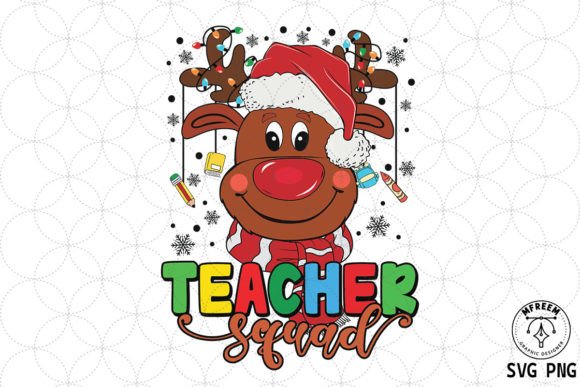
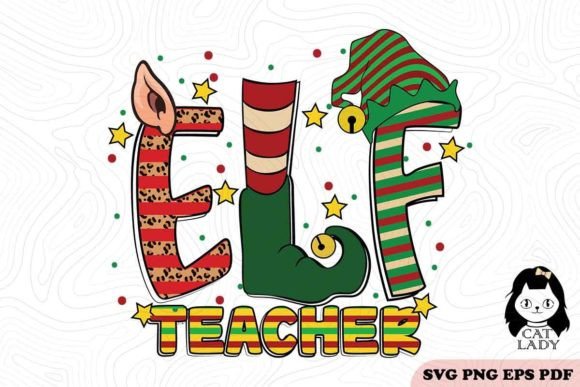
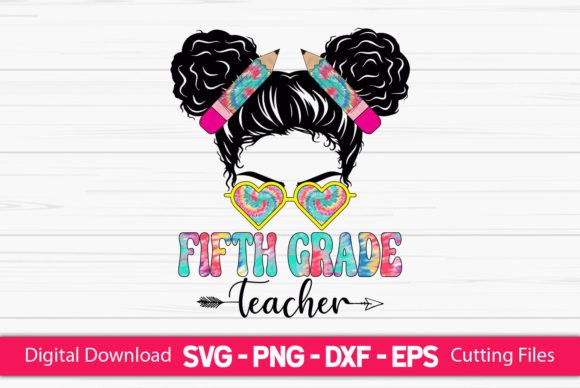
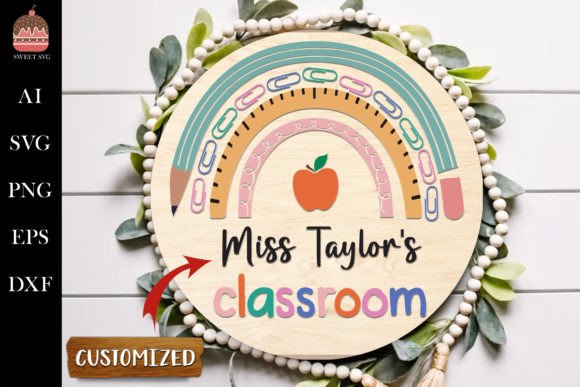
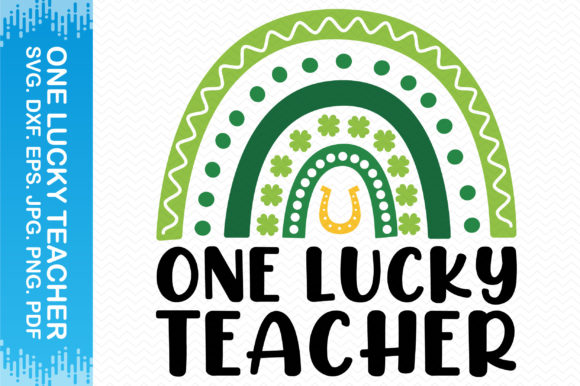
The first thing I noticed about One Lucky Teacher Clipart is the mood it creates. It’s undeniably friendly, with a touch of whimsy that suggests a brand personality rooted in approachability and charm. The style leans toward hand-drawn and soft-edged illustrations, which immediately evokes a sense of warmth and authenticity. This makes it especially well-suited for businesses in the crafts and graphic design space, such as boutique stores, children's product brands, seasonal campaigns, or even coffee shops looking to add a personal flair to their visuals.
I found the asset to be playful yet professional, striking a balance between creative expression and usability. It doesn’t scream “mass-produced,” which is a big plus for a handmade business aiming to differentiate itself from competitors. Its organic feel also lends itself well to local business branding where storytelling and emotional connection are key.
Practical Applications in Branding and Packaging
One Lucky Teacher Clipart offers more than just visual charm—it brings real utility to a variety of design applications. Here are some of the ways I’ve seen this graphic design asset integrate successfully into small business projects:
- Product Labels: Ideal for adding decorative accents on labels for candles, soaps, or food items without overwhelming the text.
- Packaging Accents: Perfect for creating cohesive packaging designs that stand out on shelves while maintaining a clean visual hierarchy.
- Hero Graphics: Works great as a central illustration on packaging or website banners when paired with minimalist typography.
- Decorative Brand Elements: Can be used subtly in background patterns, corner motifs, or border designs to reinforce brand identity across all touchpoints.
- Promotional Banners: Adds character to social media posts, flyers, and posters—especially during back-to-school, holiday, or seasonal campaigns.
- Printable Inserts: Looks fantastic on thank-you cards, gift tags, or educational inserts for craft kits and DIY products.
- Seasonal Campaign Visuals: Offers a fresh way to incorporate seasonal themes into marketing materials without feeling generic.
This versatility is amplified by the fact that the clipart comes in multiple file formats including SVG, PNG, EPS, PDF, JPG, and DXF. For packaging designers and creative entrepreneurs, the SVG format is particularly valuable because it allows for seamless customization using tools like Cricut or Silhouette machines. That means you can scale, recolor, and reposition elements easily to fit your brand’s needs.
Supporting Business Presentation and Brand Consistency
When evaluating design assets for a client, one of my main concerns is how they contribute to a stronger first impression and clearer visual communication. In the case of One Lucky Teacher Clipart, the design helps build a stronger first impression by infusing personality into every visual element. Whether it’s a bakery label or a boutique store flyer, the clipart adds a level of care and attention that resonates with customers.
For product recognition, the consistent use of these graphics across different mediums (labels, hang tags, social media) helps reinforce brand identity. Customers start to associate the imagery with the brand itself, which increases recall and loyalty over time. As a bonus, the clipart supports visual hierarchy when used strategically—placing it behind key messages or around product names can guide the viewer’s eye effectively.
In terms of customer trust, the handmade and thoughtful nature of the design aligns well with artisanal and locally owned businesses. It communicates a sense of authenticity and quality, which is crucial in today’s competitive market. When applied to professional branding efforts like packaging or web design, the clipart elevates the overall presentation, making the brand look more intentional and polished.
Where It Shines Brightest
Some of the best places I’ve seen One Lucky Teacher Clipart perform include:
- Product Labels: Especially for niche markets like teacher gifts, stationery, or kids’ toys.
- Packaging Accents: Used sparingly to highlight key features or brand values on boxes or bags.
- Hero Graphics: As the focal point of a design piece, like a summer campaign poster or a boutique window display.
- Social Media Campaigns: Fits naturally within Canva templates or other design platforms to create engaging content quickly.
- Seasonal Branding: Adds a festive touch to limited edition items or holiday promotions.
- Editorial Design: Enhances printable guides, tutorials, or educational content for creative crafts businesses.
Its adaptability in both color and black-and-white versions makes it a reliable choice for printed materials where color might not always be feasible. The PNG files offer good transparency options for overlaying onto textured backgrounds or layered designs.
Design Considerations for Real-World Use
While One Lucky Teacher Clipart is highly versatile, there are a few scenarios where it should be used carefully. For example:
- Formal Corporate Branding: The playful tone may not align with a serious or high-end corporate identity.
- Very Small Labels: The intricate details might get lost at smaller sizes unless simplified or scaled appropriately.
- Crowded Product Packaging: Overuse could make the design feel cluttered rather than cohesive.
- Ingredient-Heavy Layouts: If you're designing for a skincare or food brand with long ingredient lists, the clipart should support readability, not compete with it.
- Legal Information Areas: Avoid using it near disclaimers, copyright notices, or fine print to maintain professionalism and clarity.
- Low-Contrast Backgrounds: Test how the clipart appears against your brand colors to ensure visibility and contrast.
- Luxury Minimalist Brands: The decorative nature of the clipart might clash with ultra-clean, modern aesthetics.
As a designer, I recommend testing the clipart in various product mockups before finalizing any branding decisions. See how it looks beside different font styles—serif, sans serif, script, handwritten, and display—to determine the most harmonious pairing for your brand voice.
Key Designer Tips for Implementation
Here are some practical notes I’d pass along to fellow brand designers and small business owners:
- Test it on real packaging mockups: Print it on sample labels or boxes to see how it performs in physical form.
- Check black and white usage: Make sure the design still holds up if printed in grayscale or sepia tones.
- Preview it on small labels: Simplify the composition if necessary for better legibility at smaller sizes.
- Test it with your brand colors: Recolor the clipart to match your palette and assess whether it enhances or distracts from your message.
- Compare with competitor packaging: Ensure your use of the design stands apart while staying true to your brand identity.
- Check print quality: Especially important for inkjet or laser printers to avoid pixelation or misalignment.
- Review PNG transparency: Useful for layering or creating custom watermarks.
- Inspect SVG or vector editability: Essential for resizing and adapting the design for cutting machines or scalable print jobs.
- Confirm commercial licensing: Always verify the license terms before using it for client work, physical product sales, or large-scale printing.
Bridging Craft and Commerce with Strong Visuals
What sets One Lucky Teacher Clipart apart is its ability to bridge the gap between crafts and commercial design. It feels like a graphic design asset born from passion, yet it maintains the flexibility needed for a growing business. Whether you’re designing a new line of teacher appreciation cards or updating your storefront signage, this clipart can help you tell a story that resonates with your audience.
For small business branding, it’s important to choose assets that reflect your core values. In the case of a local flower shop I worked with, using this clipart on hang tags and promotional flyers helped establish a warm, inviting brand presence that felt both unique and trustworthy. It wasn’t just an image—it became a symbol of creativity and community.
Final Thoughts for Creative Entrepreneurs
Overall, One Lucky Teacher Clipart is a solid addition to any brand identity toolkit, particularly for those in the graphics and crafts sectors. Its handcrafted look gives your designs a personal touch, while its technical quality ensures it can handle everything from digital ads to die-cut packaging.
If you’re considering this asset for your next project, I encourage you to take a step back and ask: Does this clipart enhance our brand message? Will it hold up across all our channels? And most importantly, does it resonate emotionally with our target audience?
With thoughtful application, One Lucky Teacher Clipart can become a cornerstone of your marketing visuals, helping you stand out in a crowded marketplace while keeping your brand identity consistent and memorable.