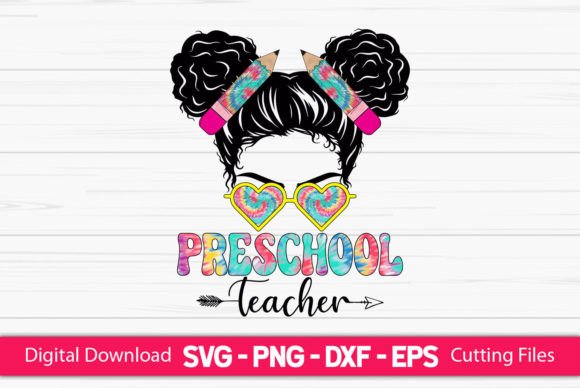
Preschool Teacher Messy Bun Graphics and Crafts
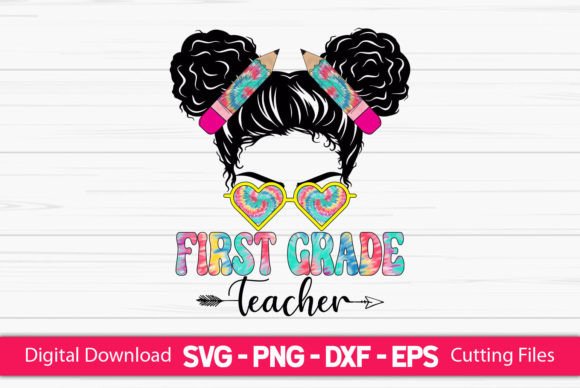
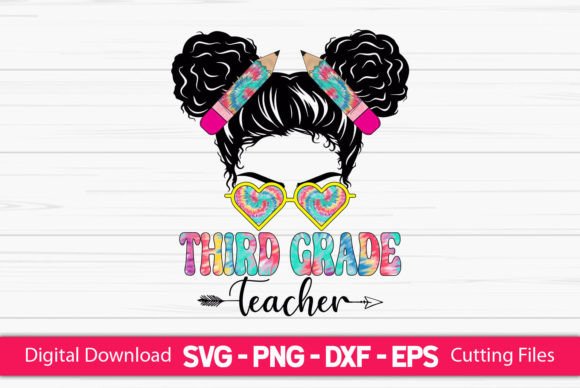
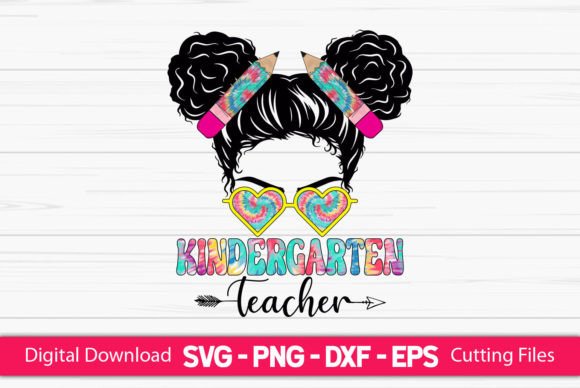
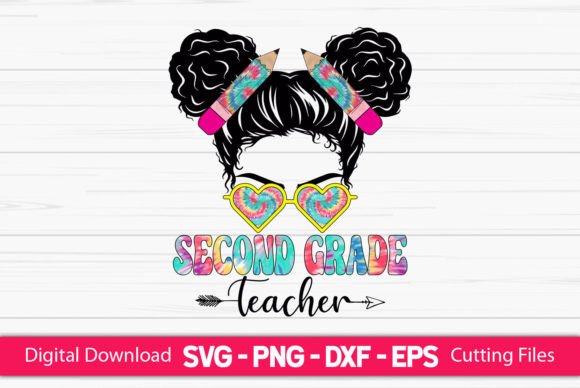
The Preschool Teacher Messy Bun is a creative design that blends playful energy with clean, functional aesthetics. As a brand designer and content marketer, I was immediately drawn to its visual appeal—its organic shape and casual charm make it ideal for marketing materials targeting parents, educators, and early childhood enthusiasts. This graphic design asset offers a fresh approach to branding, especially for small businesses in the education or lifestyle sectors.
First Impressions: Playful Yet Professional
The Preschool Teacher Messy Bun evokes a sense of warmth and approachability. Its informal style suggests a relaxed, friendly brand personality, which can be powerful for businesses aiming to connect emotionally with their audience. However, it’s not too chaotic—it maintains a level of polish that makes it suitable for both casual and semi-professional settings. This balance is crucial when designing marketing visuals that need to feel authentic but still reflect a cohesive brand identity.
For brands focused on handmade products, lifestyle content, or event promotions, this design asset can serve as an effective visual anchor. It works well in social media graphics, blog headers, and email banners where a human touch is desired without sacrificing clarity.
Real-World Marketing Applications
In real marketing situations, the Preschool Teacher Messy Bun can be used across multiple platforms. For example, a small business launching a new line of children’s books might use this design as a header for their Instagram posts or as a decorative element in their Canva templates. It also fits naturally into content kits, Pinterest graphics, and digital ads where visual consistency is key.
When integrated into packaging design or product labels, the messy bun adds a personal, artisanal flair that appeals to customers looking for unique, expressive products. In editorial design, it can act as a subtle background element that enhances the overall mood without overpowering the main message.
This design asset supports stronger first impressions by offering a visually engaging element that stands out in a crowded digital space. Whether used in a lead magnet or a promotional banner, it helps build audience trust through its consistent, recognizable style.
Supporting Branding Goals
The Preschool Teacher Messy Bun contributes to clearer visual hierarchy by acting as a focal point in designs that require attention without being overwhelming. It can be paired with other elements like text, icons, or illustrations to create a more dynamic layout. For brands struggling with inconsistent visuals, this asset provides a reliable reference point that reinforces brand recognition.
Its versatility allows it to enhance product presentation, whether in a digital ad or a printed flyer. When used in conjunction with a strong color palette, it can elevate the professionalism of a campaign while maintaining a warm, inviting tone. This is particularly useful for small business branding, where every visual element must work together to build credibility and engagement.
Best Uses: Creative and Strategic Placement
This design asset shines in hero graphics, campaign headers, and branded templates where it can act as a central visual element. It’s also ideal for content bundles, promotional banners, and editorial layouts that benefit from a touch of creativity without clutter. For event promotions or seasonal campaigns, the messy bun adds a fun, eye-catching detail that captures attention and reinforces the brand’s personality.
When used in packaging accents or merchandise, it brings a sense of character to physical products, making them more memorable and appealing to consumers. As a decorative brand element, it can subtly reinforce the brand’s identity across various touchpoints, from social media to email marketing.
Caution: Where to Avoid Overuse
While the Preschool Teacher Messy Bun is a valuable graphic design asset, it should be used with care in certain contexts. In formal corporate branding, where minimalism and precision are key, this design may feel too casual or unrefined. Similarly, in dense information layouts or small mobile graphics, it could compete with the main message and reduce readability.
For brands with a very minimal aesthetic, this asset might introduce unnecessary complexity. In text-heavy ads or low-contrast backgrounds, it could become difficult to distinguish from the surrounding elements. It’s important to test it in different environments to ensure it complements rather than distracts from the overall design.
Practical Designer Notes
Before finalizing any campaign, I recommend testing the Preschool Teacher Messy Bun with your brand’s color palette. Ensure it looks good in black and white and doesn’t lose its impact when scaled down for mobile screens. Place it inside real campaign mockups to see how it interacts with other elements like typography, images, and spacing.
Compare it against competitor visuals to ensure it aligns with your brand’s unique voice. Check how it pairs with different font styles—serif, sans serif, script, or display fonts—to find the best combination. Review the spacing and balance to avoid overcrowding or awkward placement.
Finally, always confirm the commercial license before using this design in paid campaigns, client work, or business branding. The Preschool Teacher Messy Bun SVG design, PNG design, and other formats offer flexibility for cutting machines, making it a valuable addition to any design bundle or digital product offering.
Conclusion: A Strong Addition to Your Design Toolkit
The Preschool Teacher Messy Bun is a versatile graphic design asset that can significantly enhance your marketing efforts. Whether you’re building a content kit, designing packaging inserts, or creating digital ads, this design offers a balance of creativity and professionalism that resonates with a wide audience.
For content creators, small business owners, and digital sellers, it represents a practical solution for adding visual interest without compromising on quality or brand consistency. By understanding its strengths and limitations, you can strategically incorporate it into your workflow and elevate your campaign visuals to new levels of engagement and effectiveness.